Warri Delineation Intervention: Some Itsekiri head to court as Ijaw, Urhobo faults Tinubu’s intervention
Politics
Warri, Delta – Leaders of Indigenous Ijaw and Urhobo communities in Warri Federal Constituency have expressed reservations about the full extent of President Bola Ahmed Tinubu’s political intervention in the contentious electoral ward and constituency delineation dispute.
At the same time, some Itsekiri leaders are preparing to challenge the presidential directive in the Federal High Court in Abuja.
The crisis originates from INEC’s fresh delineation of wards, polling units, state constituencies, and the possible creation of an additional federal constituency in Warri South, Warri South-West, and Warri North Local Government Areas. This followed a Supreme Court order.
The May 20, 2026, INEC report triggered protests by Ijaw and Urhobo groups, who occupied oil and gas facilities and blockaded parts of the Escravos River, raising fears for crude oil production in the Niger Delta.
The three ethnic nationalities involved — Itsekiri, Ijaw, and Urhobo have long-standing disagreements over political representation, land, and resource allocation in this oil-rich region.
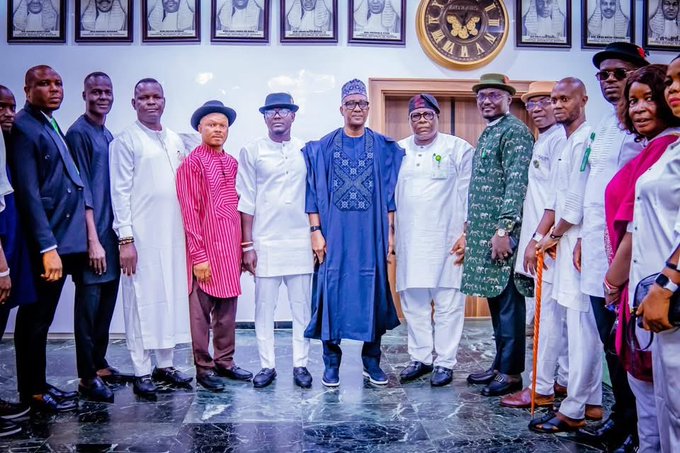
On June 11, President Tinubu hosted leaders of the three groups at the Presidential Villa, along with Delta State Governor Sheriff Oborevwori and NSA Mallam Nuhu Ribadu, where he urged peace, brotherhood, and a mutually beneficial rotational power-sharing arrangement.
Key proposals include an 11/9 ward split in Warri South-West LGA (11 wards for Ijaws of Isaba, Ogbe-Ijoh, and Gbaramatu; 9 for Itsekiris) — a shift from INEC’s earlier 13/7 proposal, creation of Warri Federal Constituency II (carved from the existing Warri Federal Constituency, with Warri South LGA becoming Constituency I), with rotation of the House of Representatives seat between Ijaws and Itsekiris (Ijaws taking the first two terms).
Others are, separate state constituencies for Ijaws and Itsekiris in Warri North and South-West LGAs, adjustment to controversial ward names in Warri South LGA (GRA, Pessu, Dore Market areas), as well as an end to protests at oil facilities.
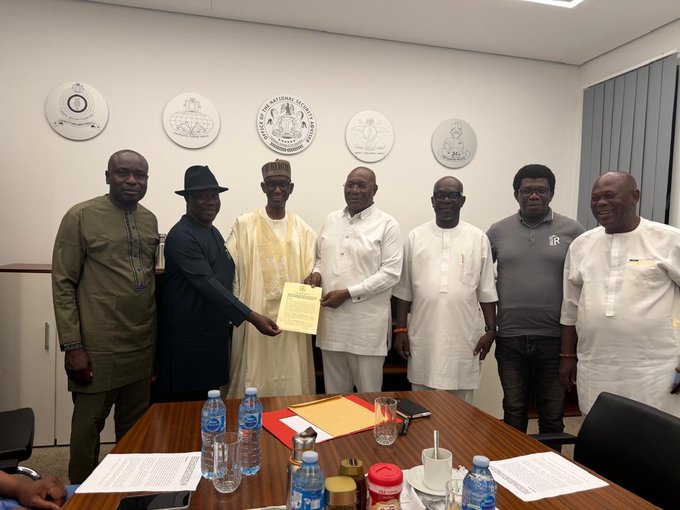
Following Tinubu’s intervention, Ijaw and Urhobo leaders (led by Chief Godspower Gbenekama and Olorogun Victor Okumagba) called on protesters to vacate oil facilities and waterways as a mark of respect for the President and in the interest of peace.
However, in their June 14 statement, they pushed back on the scope of the intervention and a subsequent accord signed on June 12 at the NSA’s office.
That accord, between Ijaw and Itsekiri leaders (witnessed by some Urhobo figures including Okumagba), focused on rotation for the new Constituency II.
The Ijaw/Urhobo group argued that Tinubu’s directive should cover broader power-sharing, including rotation for Warri Federal Constituency I, chairmanship of Warri North, Warri South-West, and Warri South LGAs and commissioners appointments across the three LGAs.
They accused Itsekiri leaders of opposing these inclusions and attempting to “truncate” the presidential intervention.
They warned against any further alteration of INEC’s May 20 report and demanded immediate implementation: uploading the report to INEC’s portal, commencing special voter registration, and transferring voters to new units.
They stated they had “reluctantly accepted” the intervention (particularly changes in Warri South-West) out of respect for the President and for peace, but drew a firm line against further modifications.
Some Itsekiri leaders view the presidential meetings and accords as non-binding. They argue the President cannot override INEC or the Supreme Court order, describing the process as “a barren exercise in the eyes of the law.”
They allege compromise and plan to file suit at the Federal High Court in Abuja on June 15, insisting the Supreme Court-mandated delineation must proceed without political substitution.
As of today (June 15), protests have largely subsided following the leaders’ call to withdraw from oil facilities. However, the divergent interpretations of Tinubu’s intervention and the threatened court action indicate that tensions remain unresolved.
The situation underscores the delicate ethnic balance in Warri and the high stakes for peace, political representation ahead of future elections, and stability in Nigeria’s oil-producing Niger Delta region.