Lagos Ride-Hailing Drivers Using CNG Still Charge Petrol-Era Fares, Raising Questions on Policy Effectiveness
Business/Economy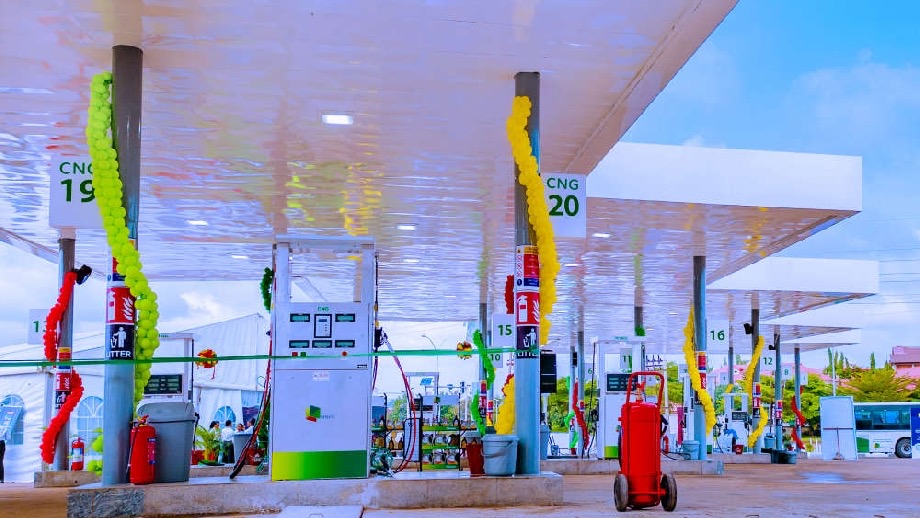
A fresh observation shared on X by user @Ola_mMuritala has highlighted a growing concern among Lagos commuters as many Uber drivers have switched to Compressed Natural Gas (CNG)-powered vehicles, yet passengers continue to pay the same fares as those using traditional petrol cars.
The post reads: “Come to Lagos, most uber drivers are already using CNG-powered cars, but they’re still charging the same fares as petrol-powered ones.”
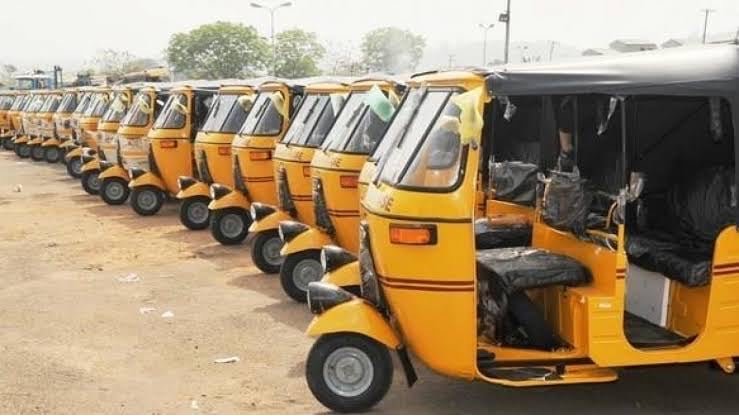
This echoes a related comment noting that even CNG-powered commercial vehicles and popular ‘Keke’ (tricycles) maintain the same transport rates as petrol equivalents, despite significantly lower operating costs.
Nigeria’s Federal Government has aggressively promoted CNG through the Presidential Initiative on CNG & EV (Pi-CNG & EV) to reduce reliance on imported petrol, cut emissions, and lower transport costs for millions of Nigerians.
CNG is substantially cheaper, often 40-60% less per kilometre than petrol with drivers reporting monthly savings of up to ₦40,000 in some cases.
The government has rolled out incentives including free or subsidised conversions for commercial vehicles, 50% discounts for rideshare operators (Uber, Bolt, etc.), and financing schemes to make conversions more accessible.
In some states and transport parks, operators have responded by slashing fares, in certain cases by up to 40% or reducing them to 75% of previous rates.
CNG-powered buses and tricycles on select routes have begun offering noticeably lower prices in 2026.
However, the transition appears uneven, particularly in Lagos’ competitive ride-hailing sector.
Ride-hailing platforms like Uber and Bolt use dynamic, algorithm-driven pricing based on distance, time, demand, and other factors. While lower fuel costs improve driver margins, the fare shown to passengers often remains unchanged.
Some drivers and operators appear to be retaining the full savings rather than passing them on.
This has left many commuters wondering why they are not yet benefiting from the cheaper, cleaner fuel alternative that the government has championed.
To ensure the CNG initiative delivers on its core promise of more affordable mobility, authorities must close the implementation gap between fuel-cost savings and actual passenger fares.
Recommended actions should include collaboration with ride-hailing platforms and state regulators to create verified “CNG vehicle” categories with lower base fares or automatic discounts. Platforms could integrate fuel-type data to adjust pricing transparently.
Also, make ongoing subsidies, conversion discounts, tax breaks, or access to financing conditional on operators committing to and demonstrating measurable fare cuts for CNG vehicles. Require periodic reporting or audits, introduce a simple verification system and set up public reporting channels for passengers to flag vehicles charging petrol-level fares despite using CNG. Work with transport unions to enforce compliance.
Other recommendations include, expanding refueling stations across Lagos and other major cities to reduce any remaining operational disadvantages. Greater supply will further stabilise and potentially lower CNG prices, strengthening the case for fare reductions.
Convene urgent roundtables with Uber, Bolt, driver unions, fleet owners, and state governments to agree on fair, sustainable fare structures that reward CNG adoption while protecting both drivers’ livelihoods and commuters’ pockets, and launch clear messaging informing passengers of expected savings and their right to lower fares on CNG vehicles. This will create market pressure and encourage operators to compete on price.
Nigeria’s CNG transition represents a major opportunity to ease the cost-of-living burden on ordinary citizens.
The observation from Lagos commuters shows that while conversion is progressing, the full benefits are not yet reaching passengers in all segments of the transport market.
Targeted regulatory and incentive adjustments by the Federal and State governments can quickly align operator behaviour with national policy goals, to ensuring cheaper, cleaner transport for everyone.