MOWAA: Allegations of treason, artifacts re-looting scheme rock Edo
Arts/culture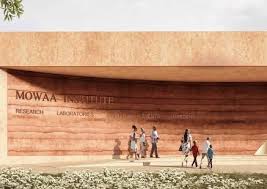
Benin, Edo – A storm of controversy has erupted on social media, with allegations of a sinister plot involving the Museum of West African Art (MOWAA) and former Edo State Governor Godwin Obaseki.
The accusations, centered around a supposed British-backed scheme to re-loot Nigerian artifacts, have sparked calls for a thorough investigation and probes into the project.
The controversy began when concerned citizens from the state like @Aimuawonsa_, a prominent local voice, who claimed that Obaseki was sponsored by the British Museum to facilitate the MOWAA project.
According to the post, the initiative was allegedly designed to return artifacts to Nigeria while retaining ownership with the British Museum. The post further alleges that financial benefits from the project would be funneled to Obaseki and his cronies, bypassing both the Edo State government and the traditional Oba (king) of Benin.
“Obaseki was sponsored by Britain through the British Museum in this whole MOWAA and Artifacts issue. It was an attempt to re-loot our artifacts,” @Aimuawonsa_ wrote.
“If this is not Treason then what do you call this betrayal? PROBE! PROBE! PROBE!”, he further added
The allegations tie into the British Museum’s upcoming inaugural “British Met Gala” fundraising event, scheduled for October 18, 2025, as announced in a related post by @OyomwanO. This event, which will feature the return of the Bayeux Tapestry to England after 900 years, has fueled suspicions about the museum’s intentions regarding Nigerian artifacts, particularly the Benin Bronzes looted in 1897.
Commentators, including @Kevincoster500 and @OyomwanO, have echoed @Aimuawonsa_'s concerns, suggesting that the MOWAA project—backed by a $3 million grant from the Mellon Foundation—may serve as a front for ulterior motives, even as critics argued that the project’s location, on land historically tied to the Benin Palace, and the lack of oversight from the Edo State government or the Benin Traditional Council (BTC), raise red flags.
@OyomwanO emphasized the need for transparency, stating, “A project that large, to the extent of using government land with additional government donations must clearly align with the government’s vision & interest for the State, including direct government oversight.”
The sentiment has been amplified by calls to investigate whether the project aligns with Edo State’s interests or serves foreign agendas.
The current Edo State government, led by Governor Monday Okpebholo, appears to be responding to the public outcry. Just two days ago, on October 21, 2025, the state government directed the Edo State House of Assembly to probe two critical projects from Obaseki’s tenure, including MOWAA and the Radisson Blu Hotels.
A letter from Secretary to the State Government Umar Musa Ikhilor requested a “thorough oversight investigation” to ascertain the state’s stakes and the status of these initiatives.
This move has intensified political tensions, with some labeling it a targeted attack on Obaseki’s legacy. However, supporters of the probe argue that it is a necessary step to protect Edo State’s cultural heritage and financial interests.
The debate is set against a broader international conversation about the repatriation of looted artifacts. The British Museum has faced global criticism for refusing to permanently return items like the Benin Bronzes, with recent reports highlighting France’s more progressive stance under President Emmanuel Macron.
MOWAA, established in 2020 as a non-profit dedicated to preserving West African heritage, has been praised for its 15-acre campus in Benin City. However, the recent allegations suggest that the project may be entangled in a complex web of colonial legacies and modern-day exploitation.
As the story unfolds, the Edo State House of Assembly is expected to launch its investigation, potentially inviting contractors and officials linked to MOWAA for questioning. The outcome could have significant implications for Nigeria’s cultural sovereignty and its relationship with international institutions like the British Museum.
For now, Edo people are left demanding answers, as the world watches, while this local dispute may reshape the global discourse on artifact repatriation.