Calls for Transparency as Promised Edo CNG Buses Remain Unaccounted For
Inside Edo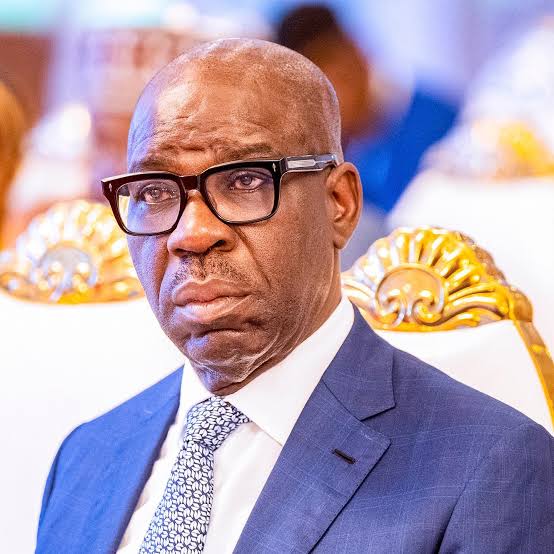
Benin, Edo – Amid ongoing public debates about mass transit challenges in major Nigerian cities, a prominent Edo-based journalist has spotlighted what he describes as a lingering gap in the state’s public transport modernisation drive, questioning the status of 50 Compressed Natural Gas (CNG) buses approved for procurement nearly two years ago.
In a widely shared thread on X, Emmanuel Ikhenebome, publisher of DAILY South Nigeria drew attention to commitments made by the previous administration under Governor Godwin Obaseki.
On October 1, 2023, during his Independence Day address, Obaseki announced that the Edo State Government had placed new orders for additional CNG-run buses to expand the fleet of the Edo City Transport Services (ECTS).
The initiative gained further momentum in January 2024 when the Edo State House of Assembly, then led by Speaker Blessing Agbebaku (still current speaker) approved a N11.3 billion loan facility for the state government. Part of the funds was explicitly earmarked for the procurement of 50 CNG buses for ECTS, alongside other infrastructure projects.
Ikhenebome’s post, which has sparked reactions among Edo residents, directly addresses the current governor, Monday Okpebholo, asking pointedly: “Governor @m_akpakomiza, where are the buses?”
The journalist framed his intervention in the context of broader national conversations on urban transport, noting that while Lagos faces criticism over its Bus Rapid Transit (BRT) system, Edo State’s own plans for a cleaner, CNG-powered fleet appear stalled despite legislative backing and public funds.
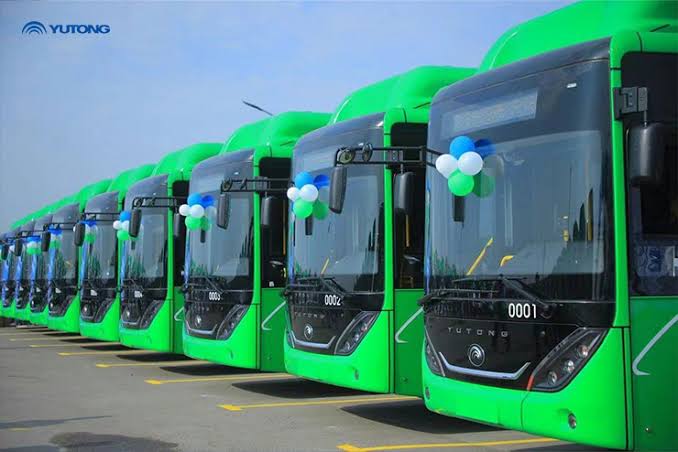
The N11.3 billion loan approval in January 2024 was part of efforts to enhance affordable and environmentally friendly mass transit across the state. At the time, officials highlighted the buses as a key component of revitalising ECTS and easing transportation costs for residents.
As of the date of Ikhenebome’s post, no official update had been provided on the delivery or deployment of the 50 CNG buses.
The journalist’s questions reflect growing public demand for accountability on flagship infrastructure promises, especially those funded through loans that impact state debt servicing.
Edo State’s transport sector has seen incremental progress in recent years, including earlier free bus schemes under the Obaseki administration. However, the specific 2024 procurement remains a focal point for residents seeking visible improvements in daily commuting.
The Edo State Government is yet to issue a formal response to the queries raised in the March 12 thread, even as stakeholders including transport unions and civil society groups, have previously called for regular updates on such projects to maintain public trust.
This development comes as several Nigerian states continue to push CNG adoption in public transport to reduce reliance on petrol and lower operational costs. Edo’s ECTS, once a model for intra- and inter-city services, is expected to play a central role in the state’s long-term mobility strategy.