Warri Constituency Dispute: Ijaw, Itsekiri Agree on Power-Sharing Deal
Politics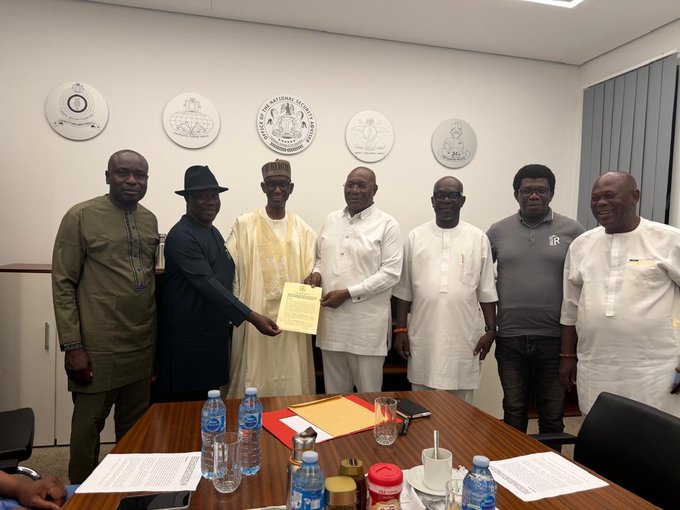
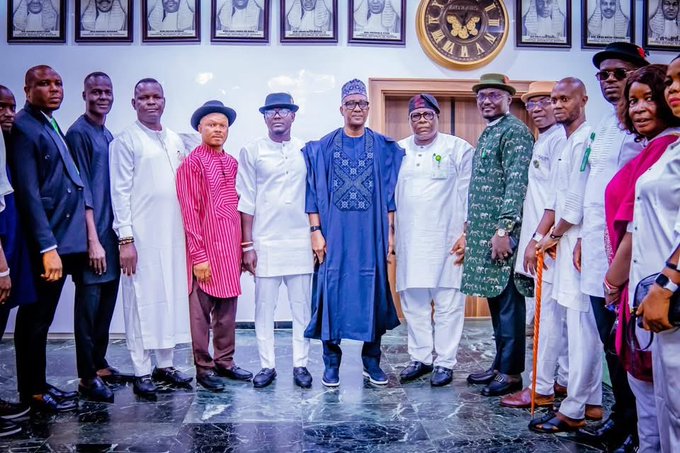
Warri, Delta — In a significant move to douse long-standing ethnic tensions in Delta State, representatives of the Ijaw and Itsekiri nationalities have reached a power-sharing agreement for the proposed Warri Federal Constituency II.
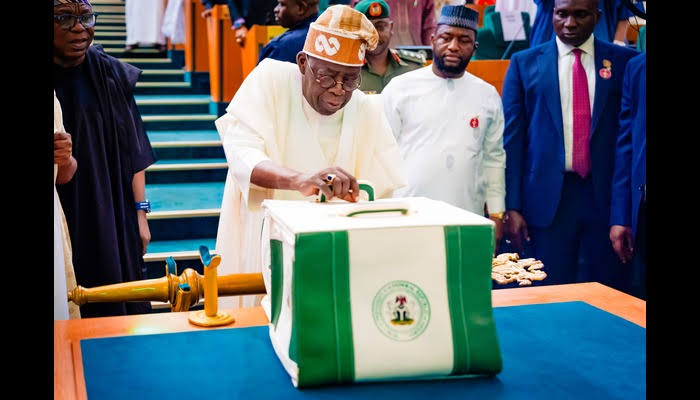
The deal follows the direct intervention of President Bola Ahmed Tinubu.
The agreement was formalized on Friday, June 13, 2026, during a high-level meeting convened at the Office of the National Security Adviser (NSA), Nuhu Ribadu, in Abuja.
The session, which lasted about two hours, was chaired by Ribadu and attended by the Director-General of the Department of State Services (DSS), Oluwatosin Adeola Ajayi. Delta State Governor Sheriff Oborevwori was also present at related discussions.
According to the signed resolution and Memorandum of Understanding (MoU), the House of Representatives seat in the proposed Warri Federal Constituency II will rotate between the Ijaw and Itsekiri ethnic groups. The Ijaw nationality will take the first turn for two consecutive terms, after which the seat will shift to the Itsekiri for a similar period.
The pact aims to resolve disputes arising from the Independent National Electoral Commission (INEC)’s ward and polling unit delineation exercise in the Warri Federal Constituency, which covers Warri North, Warri South, and Warri South-West Local Government Areas.
The delineation had sparked protests, threats of occupation of oil facilities, and heightened tensions over population figures, land ownership, and political representation.
President Tinubu had earlier hosted leaders of the Ijaw, Itsekiri, and Urhobo ethnic groups at the Presidential Villa on June 11, 2026, where he urged compromise, unity, and peaceful coexistence. He reportedly directed the parties to agree on a fair power-sharing formula. Governor Oborevwori later praised the President for his “decisive intervention.”
Leaders have called on aggrieved youths to vacate any occupied oil and gas facilities and waterways, signaling a de-escalation of immediate threats to critical infrastructure in the oil-rich Niger Delta region.
The deal has been welcomed by many stakeholders as a pragmatic step toward lasting peace in an area with a history of ethnic conflicts. However, some voices — particularly within the Itsekiri — have expressed reservations about aspects of the delineation related to ancestral lands and voter distribution.
The agreement is subject to further processes, including potential approval by the National Assembly, as constituency delineation ultimately falls under INEC’s constitutional remit with legislative oversight.
This development is seen as a major boost for stability ahead of future elections and reflects the Tinubu administration’s emphasis on dialogue in resolving Niger Delta disputes.