Why Nigeria’s Electricity Metering program delaying – World Bank
Business/Economy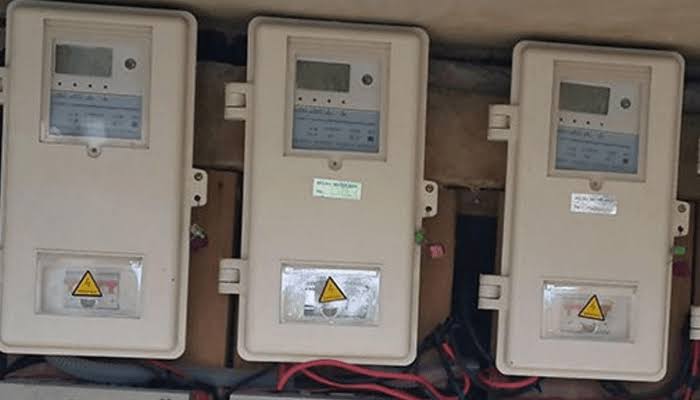
The World Bank has expressed serious concerns over delays in Nigeria’s Distribution Sector Recovery Programme (DISREP), a key $500 million initiative aimed at overhauling the country’s electricity distribution system through widespread smart meter deployment.
According to the bank’s Midterm Review Implementation Support Mission and Additional Financing Preparation Aide Memoire, procurement bottlenecks, court cases, and slow contract execution continue to hinder progress despite some improvements in implementation.
Key Challenges Highlighted include:
• Court Injunctions and Legal Disputes: Procurement of 1.55 million internationally sourced smart meters was disrupted after a court injunction halted the opening of bids on April 30, 2026, following a complaint by the Association of Meter Manufacturers of Nigeria.
• Delayed Domestic Contracts: Contracts for locally procured meters and Meter Data Management Systems (MDMS), launched in 2024, have faced “unjustified delays.”
• Stalled Progress in Specific Areas: While installation of 1.44 million smart meters has advanced across nine electricity Distribution Companies (Discos), progress has stalled in the Ikeja and Enugu Discos.
Despite these hurdles, the pace of meter installations has improved significantly — rising from about 30,000 per month in late 2025 to approximately 65,000 in the first quarter of 2026.

Of the 1.15 million smart meters allocated, 685,000 have arrived in Nigeria and 365,000 have been installed. All 1.15 million are expected to arrive by the end of June 2026.
The World Bank is considering an additional $308 million financing package to accelerate the programme.
This would support:
• Procurement of 1.7 million more electricity meters
• Network rehabilitation
• Customer enumeration
• Potential investments in Supervisory Control and Data Acquisition (SCADA) systems
Approximately $120 million of this could go toward a new metering programme if the government opts for all smart meters.
The bank has also recommended extending the project’s closing date by two years and one month to June 2030 to allow full implementation.
The DISREP, approved in February 2021, seeks to deploy over 3 million smart meters nationwide to tackle “estimated billing,” reduce commercial losses and theft, and improve the financial and technical performance of Nigeria’s Discos.
The programme has already contributed to the World Bank’s Mission 300 initiative by helping connect about 401,500 people to electricity access across Africa.
The World Bank rated both implementation progress and progress toward development objectives as “moderately satisfactory.”
It urged Nigerian authorities to swiftly resolve procurement and contractual bottlenecks to maintain reform momentum.
This development comes amid ongoing efforts to address Nigeria’s chronic power sector challenges, including liquidity issues and the large metering gap that has long plagued consumers.