‘Enroll Every Nigerian in National Identity Database by End of 2026’ – Tinubu directs NIMC
Business/Economy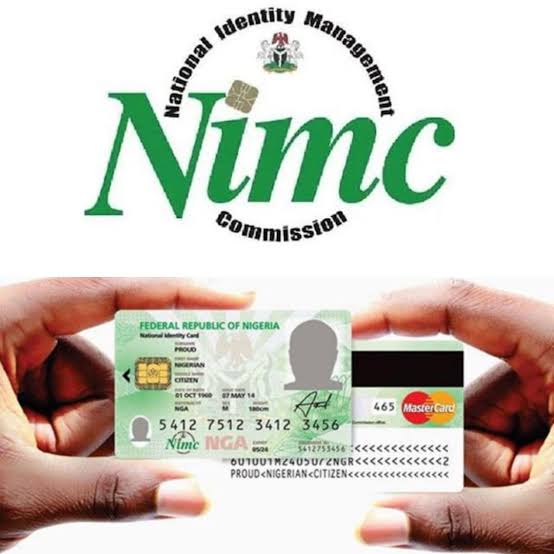
President Bola Ahmed Tinubu has issued a directive to the National Identity Management Commission (NIMC) to ensure the complete registration of all Nigerians in the national identity database before the end of 2026.
NIMC Director-General and Chief Executive Officer, Abisoye Coker-Odusote, disclosed the presidential mandate during an appearance on Channels Television’s Sunday Politics program. She emphasized that the drive aims to strengthen governance, improve national planning, enhance security, and boost efficient public service delivery.
As of Sunday evening, NIMC has enrolled 137,371,080 Nigerians with the National Identification Number (NIN). However, millions remain unregistered, with the country’s population estimated between 200 million and 250 million. “When we finish enrolling everyone, we’ll know the actual figure,” Coker-Odusote stated.
To meet the ambitious deadline, NIMC is expanding operations beyond local government offices to wards and communities. The commission has partnered with private-sector front-end agents under the World Bank-supported Identification for Development (ID4D) project.
These partners will conduct registrations at the grassroots level, creating employment opportunities while bringing services closer to citizens.
The directive follows President Tinubu’s signing of the new NIMC Act 2026 into law on June 26, replacing the 2007 version.

The updated legislation reinforces the “One Person, One Identity” policy and makes the NIN the foundational and mandatory identifier for key services, including: Banking, SIM card registration, Passports, Taxation, Pensions, Land transactions and Consumer credit.
Private companies must now validate identities through NIMC’s API integration, and the law introduces stricter penalties for identity theft, multiple registrations, and unauthorized data access.
Coker-Odusote highlighted how a comprehensive database will help combat insecurity.
She noted that terrorists, kidnappers, and foreign attackers often evade tracking because many lack NIN records, even as the system now uses advanced biometrics (fingerprints and facial recognition) for real-time verification at enrollment, making duplicate identities nearly impossible.
“Biometric validation tightens security around identity confirmation,” she added, citing ongoing collaboration with telecom operators as an example.
Officials view the full enrollment as essential for accurate national planning. “Your identity is basically the foundation for effective governance and service delivery. How can you plan if you don’t know the total number of persons that you have?” Coker-Odusote said.
The initiative is expected to create a more transparent, secure, and digitally inclusive Nigeria, though challenges remain in reaching remote and underserved populations within the timeline.
NIMC has urged citizens to take advantage of the expanded registration points.
This development marks a significant step in Nigeria’s digital identity transformation under the Tinubu administration.